

What Is Analogous Art?
Analogous Art refers to a contemporary artistic movement centered on harmony, visual relationships, and conceptual continuity between artistic elements. The term “analogous” originates from color theory, where analogous colors sit next to each other on the color wheel and naturally create visual balance.
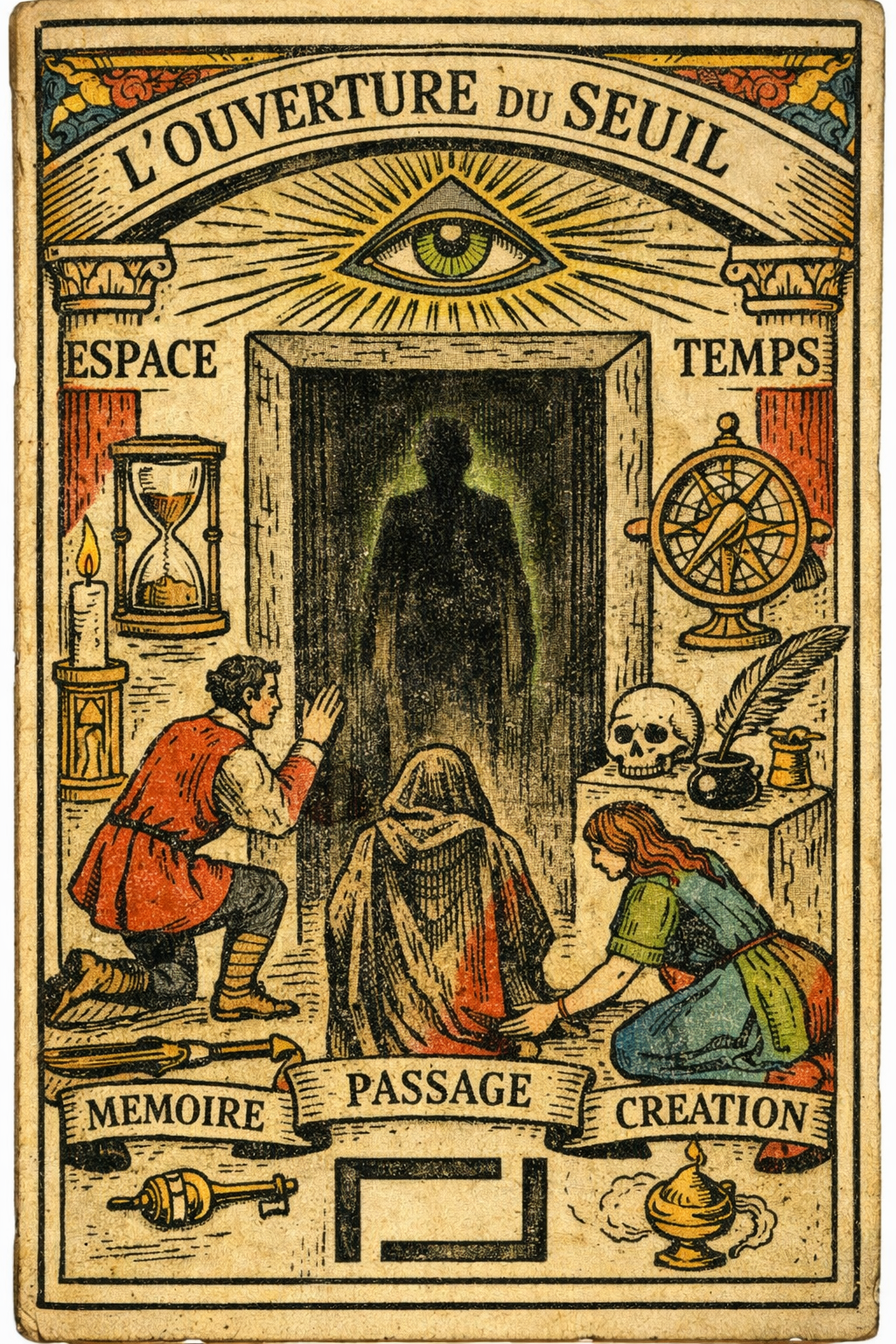
In the context of Analogous Art, the concept expands beyond color relationships. The movement explores connections between ideas, forms, symbols, and creative processes. Artists working within the Analogous Art movement seek harmony between narrative, medium, and philosophy.
Rather than focusing on contrast or disruption, Analogous Art emphasizes continuity, flow, and conceptual relationships between artistic elements.
The Origins of the Analogous Art Movement
The Analogous Art movement emerged from contemporary artistic exploration that blends traditional painting, symbolism, and philosophical reflection. Artists within the movement explore how ideas can be connected through subtle visual language.
Many creators associated with Analogous Art incorporate themes such as:
-
symbolic storytelling
-
philosophical reflection
-
layered narratives
-
visual harmony
These elements allow Analogous Art to function both as aesthetic expression and intellectual exploration.
Unlike movements defined by rigid stylistic rules, Analogous Art focuses on conceptual relationships. The goal is not uniform style but interconnected meaning.
Key Principles of Analogous Art
At its core, Analogous Art is guided by several philosophical and visual principles.
Harmony and Visual Continuity
Artists working within Analogous Art often seek harmony between visual elements. Similar to analogous colors in design theory, shapes, symbols, and compositions interact to create a unified experience.
Symbolism and Narrative Layers
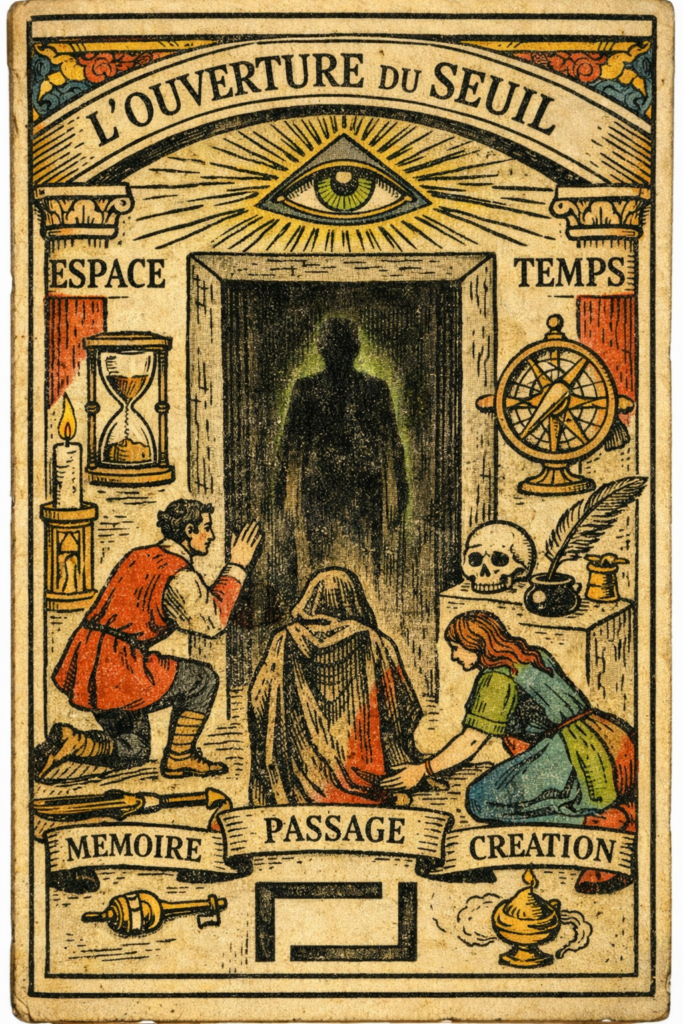
A defining feature of Analogous Art is the use of symbolic storytelling. Rather than presenting a single message, works often contain layered meaning that unfolds over time.
This approach encourages viewers to interpret relationships between elements in the artwork.
Conceptual Relationships
The defining idea behind Analogous Art is connection. Visual elements, materials, and ideas interact with each other rather than standing in isolation.
This interconnected approach gives Analogous Art a philosophical depth that resonates with collectors and historians alike.
Analogous Art in Contemporary Culture
The Analogous Art movement exists within the broader context of contemporary art, where artists often challenge traditional definitions of medium and narrative.
However, Analogous Art differs from many modern movements by emphasizing harmony instead of disruption. While many contemporary styles rely on shock or contrast, Analogous Art seeks intellectual continuity.
Because of this philosophical approach, Analogous Art often appeals to collectors interested in symbolic or conceptual works.
Why Analogous Art Matters
Art history frequently evolves through movements that redefine relationships between form and meaning. Analogous Art contributes to this tradition by emphasizing interconnected artistic ideas.
The movement invites viewers to slow down and explore relationships within the artwork. Instead of immediate interpretation, Analogous Art rewards contemplation and deeper analysis.
This quality makes the movement particularly significant in an era dominated by rapid visual consumption.
The Future of Analogous Art
As contemporary artists continue to explore symbolic and philosophical themes, Analogous Art is likely to expand in influence. The movement offers a framework for creators who seek balance between aesthetic harmony and conceptual depth.
Future developments in Analogous Art may include interdisciplinary collaborations, digital experimentation, and new approaches to symbolic storytelling.
Regardless of its evolution, the central idea will remain the same: artistic elements connected through meaningful relationships.