
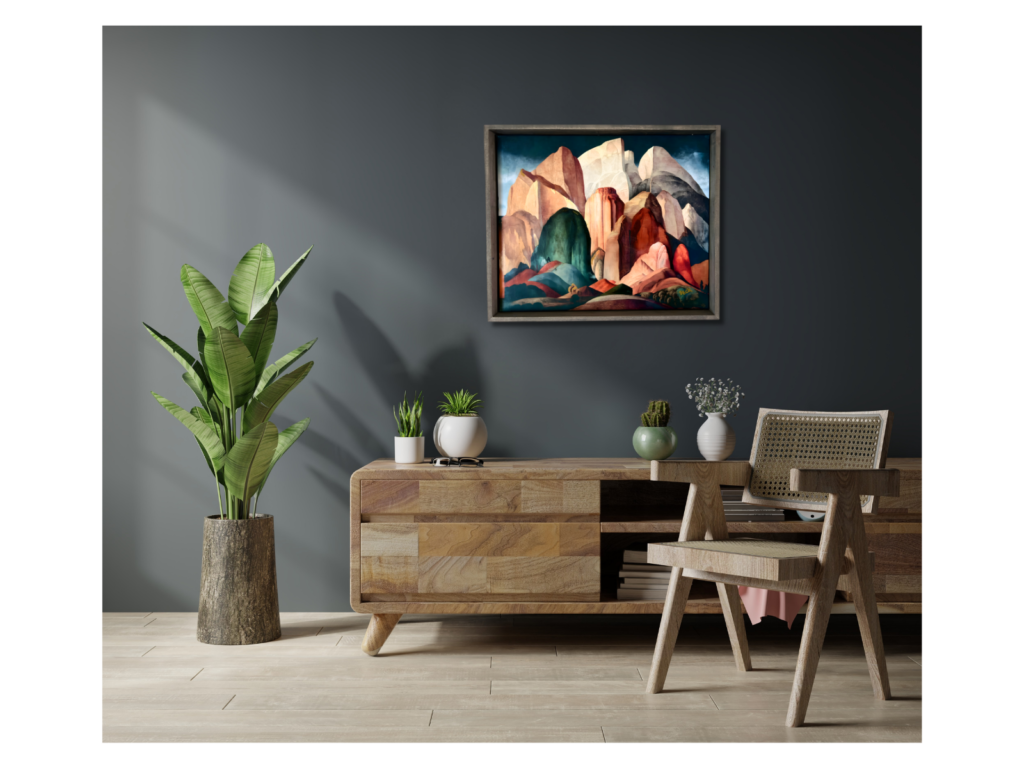
Building a Meaningful Art Collection: Beyond Acquisition
In today’s fast-moving art market, collecting can easily become transactional—driven by trends, speculation, or the pressure to acquire quickly. But the most compelling collections are not built overnight, nor are they defined by price alone. A meaningful art collection is something deeper: a reflection of curiosity, intention, and a long-term relationship with art itself.
For both new and seasoned collectors, the question is not simply what to buy, but why. Building a meaningful collection begins with understanding your own sensibility and allowing that to guide every decision.
Start With Connection, Not Status
The foundation of any meaningful collection is personal connection. Before considering market value or artist reputation, ask yourself how a work makes you feel. Does it hold your attention? Does it shift your mood, or invite reflection?
Art that resonates on a personal level will continue to engage you over time. Trends fade, but emotional connection endures. Collectors who prioritize this often find that their collections develop a distinct identity—one that cannot be replicated by simply following the market.
This approach also builds confidence. When your decisions are rooted in genuine response rather than external validation, collecting becomes more intuitive and less intimidating.
Develop a Point of View
A strong collection tells a story. It doesn’t need to follow a rigid theme, but it should reflect a coherent perspective. This might emerge through medium, subject matter, conceptual approach, or even emotional tone.
Some collectors are drawn to atmospheric abstraction, others to figurative narratives or experimental materials. Over time, patterns will naturally appear. Paying attention to these patterns helps refine your eye and deepen your understanding of what you value.
Developing a point of view also makes your collection more engaging to others. Curators, galleries, and fellow collectors are often interested not just in individual works, but in how they relate to one another.
Take Time to Learn
Meaningful collecting is an ongoing education. Spend time researching artists, visiting exhibitions, and engaging with galleries. Read about artistic movements, techniques, and the contexts in which works are created.
This doesn’t mean becoming an academic expert—it means cultivating awareness. Understanding an artist’s process or conceptual framework can significantly deepen your appreciation of their work.
Equally important is learning about the market. Knowing how pricing works, how artists develop over time, and how galleries operate allows you to make informed decisions without losing sight of your personal connection.
Support Emerging and Living Artists
One of the most impactful ways to build a meaningful collection is by supporting emerging and mid-career artists. Acquiring work early in an artist’s trajectory creates a sense of shared growth. As their practice evolves, so does your relationship to their work.
Supporting living artists also contributes to the broader ecosystem of contemporary art. It sustains creative practices and fosters innovation. For many collectors, this sense of participation adds another layer of meaning to their collection.
Importantly, emerging work is often more accessible, allowing collectors to build thoughtfully without the pressure of high price points.
Think Long-Term, Not Just Investment
While art can appreciate in value, approaching collecting purely as an investment often leads to short-term thinking. A meaningful collection is built with longevity in mind.
Consider how a work will live with you over time. Will it continue to hold relevance? Does it contribute to the overall narrative of your collection? These questions shift the focus from resale potential to lasting significance.
Interestingly, collections built with care and authenticity often gain value organically. The market tends to recognize depth and coherence over time.
Care, Documentation, and Provenance
Building a meaningful collection also involves stewardship. Proper care ensures that works maintain their condition and integrity. This includes appropriate framing, storage, and environmental considerations.
Equally important is documentation. Keeping records of acquisition details, artist information, and exhibition history strengthens the provenance of each piece. Provenance not only supports value but also preserves the story behind the work.
As digital tools evolve, collectors have more opportunities to manage and track their collections efficiently, adding another layer of structure and transparency.
Let the Collection Evolve
A meaningful collection is never static. It grows, shifts, and sometimes changes direction entirely. As your perspective develops, so too will your approach to collecting.
Allow space for this evolution. Revisit works, reassess your interests, and remain open to new discoveries. Collecting is not about reaching a final destination—it’s about maintaining an ongoing dialogue with art.
Why Meaning Matters
In an era where art can be consumed quickly and superficially, building a meaningful collection is a deliberate act. It requires patience, attention, and a willingness to engage deeply.
The reward is not just a collection of objects, but a collection of experiences—moments of connection, insight, and discovery. Over time, these accumulate into something far more valuable than any single artwork: a reflection of how you see and interpret the world.
For collectors at any stage, this is the true essence of collecting—not ownership, but relationship.